Starting July 1, 2026 — next week — Russia will officially allow Bitcoin and digital currencies for international trade settlements under Federal Law No. 223-FZ. This makes Russia one of the largest sovereign economies in the world to formally adopt Bitcoin for cross-border payments — a historic moment for crypto.
⚖️ What Is Federal Law 223-FZ?
- Full name: Federal Law No. 223-FZ on Digital Currency Settlement for Foreign Trade
- Effective date: July 1, 2026
- Regulator: Bank of Russia (under Experimental Legal Regime framework)
- Scope: Authorises use of Bitcoin (BTC) and other approved digital currencies for settling international trade transactions between Russia and foreign counterparts
- Who can use it: Russian banks and corporations participating in approved Experimental Legal Regimes (ELRs)
🌍 Why Russia Is Doing This
- SWIFT sanctions bypass: Western sanctions blocked Russia from SWIFT. BTC provides a censorship-resistant alternative for trade settlement
- China/India trade growth: Russia’s largest trade partners — China and India — are both crypto-friendly. BTC settlement avoids USD dependency
- Energy exports: Russia’s oil and gas exports (to non-Western buyers) can now be settled in Bitcoin — reducing USD exposure
- Mineral trade: Russia is a major exporter of gold, nickel, palladium — these can potentially be settled in crypto
₿ Impact on Bitcoin Price
| Mechanism | Bitcoin Impact |
|---|---|
| Russia needs BTC to settle trades | Structural buying demand |
| Russian entities accumulate BTC reserves | Supply reduction (less available to sell) |
| Other sanctioned nations may follow (Iran, Venezuela) | Multiplier sovereign adoption effect |
| Signal for global sovereign adoption | Positive sentiment, institutional confidence |
🇮🇳 Impact on India-Russia Trade
India-Russia trade hit a record $65B+ in FY26 — primarily driven by discounted Russian crude oil purchases. India currently pays for Russian oil in UAE Dirhams, Chinese Yuan, and Indian Rupees. If Russia’s law allows Bitcoin settlements:
- India could potentially pay for Russian crude in Bitcoin — reducing USD dependency
- This would be bullish for BTC demand from Indian entities
- However, India’s PMLA rules currently restrict using crypto for trade settlement — regulatory change would be needed
- India’s upcoming Digital Asset Bill may be influenced by Russia’s model
⚠️ Limitations to Note
- Only within Russia’s ELR framework — not all Russian trade is immediately covered
- Actual transaction volumes initially small — regulatory infrastructure still being built
- Russia may prefer stablecoins for predictable value over volatile BTC for large trade settlements
- Western sanctions may try to block counterparties transacting with Russia in BTC
🔮 The Bigger Picture — BTC as Reserve Asset
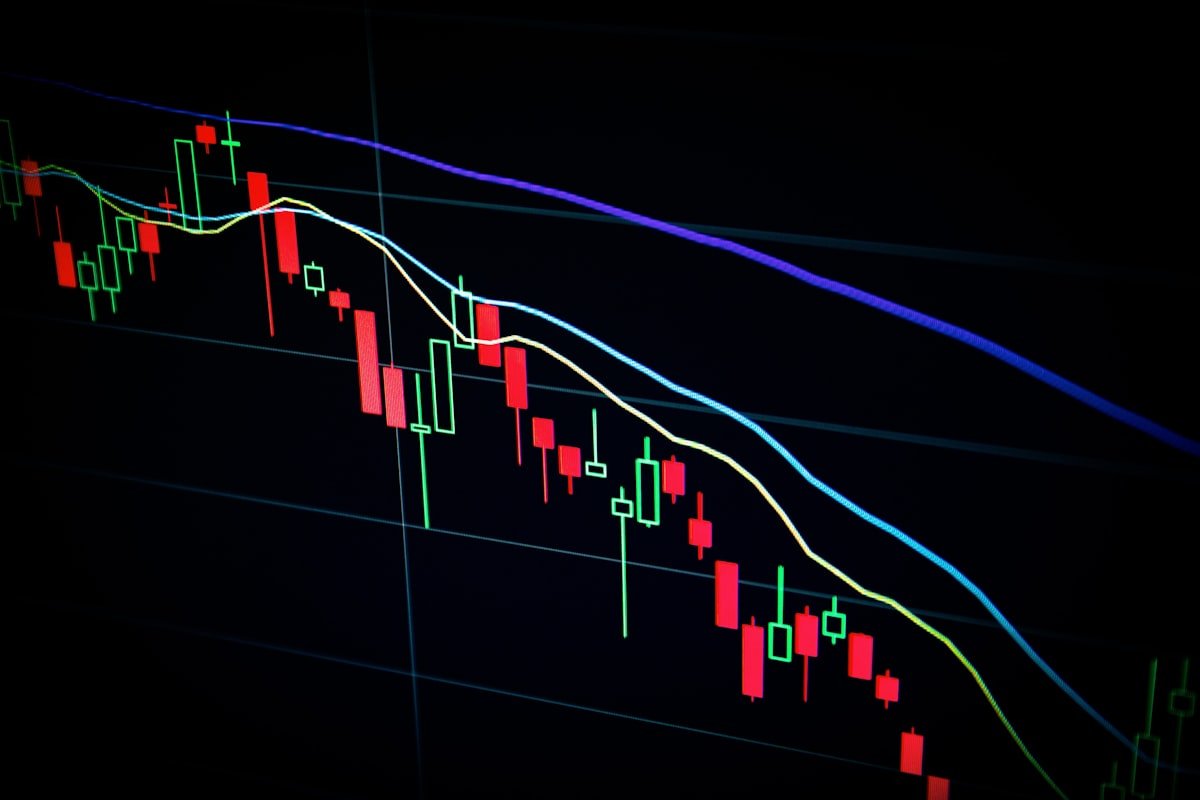
Russia’s law represents a tipping point in Bitcoin’s journey from speculative asset to sovereign reserve asset. Combined with: El Salvador legal tender, US Strategic Bitcoin Reserve, Franklin Templeton DRIP ETF (September 2026), CLARITY Act commodity classification — Bitcoin’s role in global finance is structurally expanding. The current price crash (-52% from ATH) is hiding a transformational adoption cycle.
Disclaimer: For educational purposes only. Crypto is highly volatile. Not investment advice.