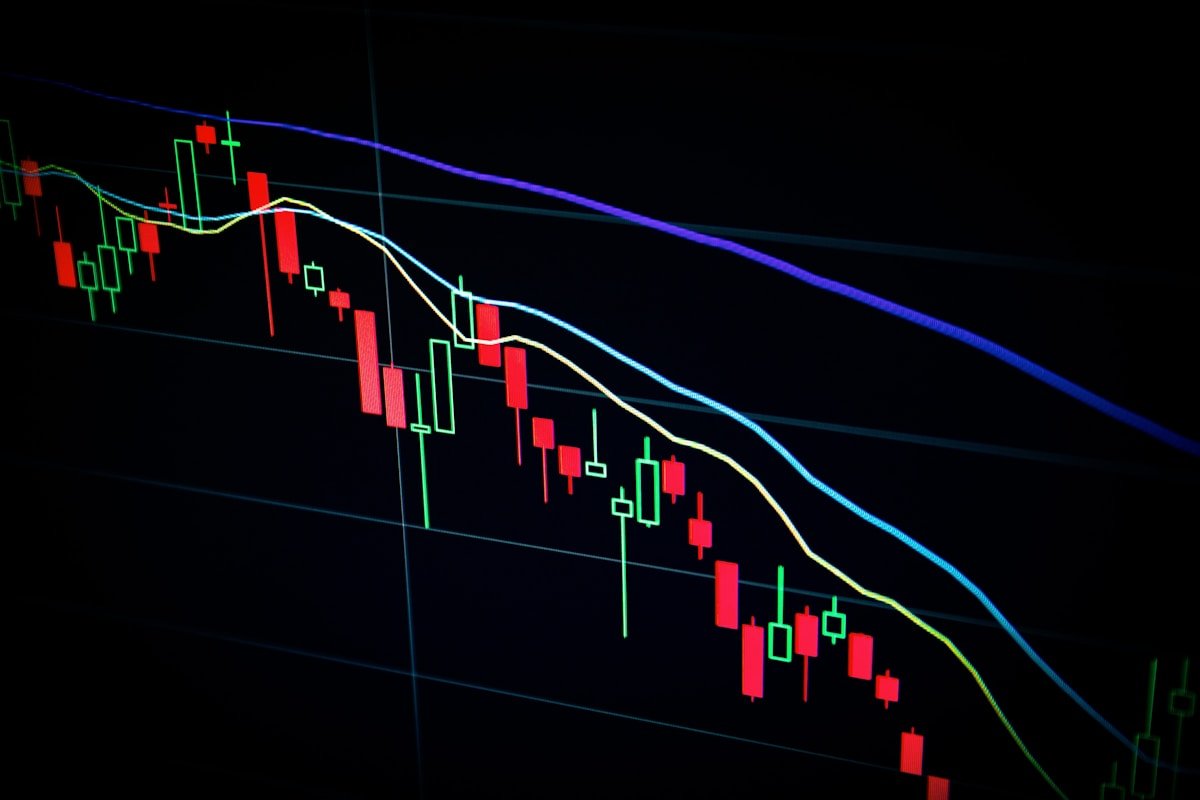
Gold remains a closely watched asset for investors seeking diversification, portfolio balance and protection against uncertain economic conditions. Its performance can be influenced by interest rates, inflation expectations, currency movements and central-bank demand.
What Drives Gold Prices?
- Interest rates: Lower real yields can improve the relative appeal of non-yielding gold.
- US dollar: A stronger dollar can create pressure for dollar-priced commodities, while currency weakness may support demand.
- Inflation expectations: Investors may consider gold when they expect purchasing power risks to rise.
- Geopolitical uncertainty: Risk events can increase demand for defensive assets, although prices can remain volatile.
How Investors Can Approach Gold
Investors can compare physical gold, gold exchange-traded products and other regulated options based on liquidity, costs, taxation and investment horizon. Avoid making decisions from a single-day price move, and review the role of gold within your overall asset allocation.
Risks to Consider
Gold can experience sharp corrections, does not generate regular income and may underperform equities over some long periods. Check product costs and regulatory details before investing.
Disclaimer: This article is for educational purposes only and is not investment advice. Consult a qualified financial adviser before making investment decisions.