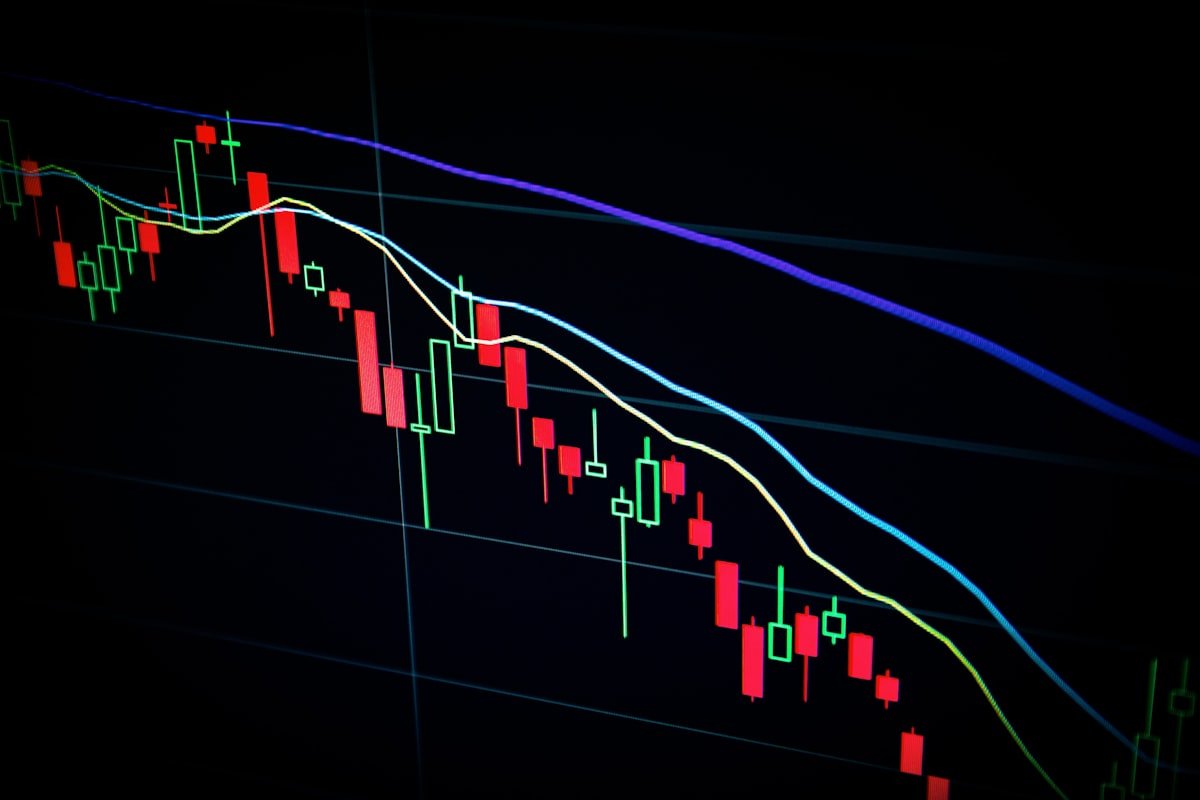
India’s FMCG sector has been one of the worst-performing parts of the stock market in 2026. The Nifty FMCG index is down approximately 10% year-to-date, underperforming the Nifty 50 significantly. ITC, Dabur, Godrej Consumer Products, and Marico all saw sharp declines. HUL (Hindustan Unilever) and Colgate-Palmolive showed relative resilience, but even they are below their November 2025 levels. Now, with Brent crude crashing to $73.74 and the Iran conflict de-escalating, the question every consumer sector analyst is asking is: has the FMCG pain run its course?
Why FMCG Got Hammered in 2026
The sector’s problem was entirely upstream — input costs. When Iran-US tensions pushed Brent crude above $100 from February to May 2026, it dragged up every petroleum-derived input used by FMCG companies:
- Palm oil rose ₹11–20/kg (used in soaps, shampoos, biscuits, snacks)
- Polymers rose 18–22% (used in packaging — sachets, bottles, tubes)
- Surfactants and specialty chemicals up 15%
- Freight and logistics costs up 12% on fuel surcharges
Simultaneously, rural consumption growth slowed as food inflation and job uncertainty hit rural households. FMCG companies could not fully pass on cost increases through price hikes without losing volumes in a price-sensitive market. Margins compressed, earnings estimates were cut, and the stocks fell.
The Crude Reversal Changes Everything
Here is what the market has not yet fully priced in: Brent crude is now at $73.74 — 42% below the $126 war-peak. Most FMCG companies hedge their input purchases 3–6 months ahead. This means the benefit of cheaper crude and palm oil will start flowing into FMCG margins from Q2 FY27 (July–September 2026). Analysts project Q1 FY27 (April–June 2026) to already show double-digit EBITDA growth for most FMCG companies — the first such expansion in nearly 10 quarters.
Stock-by-Stock Outlook
HUL (Hindustan Unilever): The blue-chip defensive play. Rural recovery and lower input costs set up strong H2 FY27 growth. Current price consolidation around ₹2,400–2,500 is a reasonable accumulation zone. Target: ₹2,800–3,000 over 12 months.
ITC: Now recovering after lagging significantly. The cigarette business provides a high-margin cash cow, while FMCG foods (Sunfeast, Bingo, Aashirvaad) are growing. Hotel division is benefiting from post-conflict tourism rebound. ITC at ₹420–450 is attractive. Dividend yield of 4%+ provides downside protection.
Dabur India: Most exposed to rural India, so it suffered more than peers when rural consumption softened. But Dabur’s healthcare and Ayurveda portfolio benefits from post-conflict stress buying. Watch for Q1 FY27 results for a volume recovery signal.
Marico: Parachute coconut oil and Saffola are stable franchises. Copra prices have eased — helping margins. Bangladesh operations (10% of revenues) are recovering. Marico is a quality compounder at current prices.
Nestle India: Was a top gainer in the Sensex last Thursday (+1.97%). Premium chocolates and Maggi noodles are volume-resilient. Nestle typically leads the FMCG recovery in institutional portfolios.
The Verdict
FMCG stocks are not yet on fire — but they are transitioning from “avoid” to “accumulate.” The margin recovery story for H1 FY27 is intact now that crude has crashed. Rural consumption has room to recover as food inflation eases with monsoon improvement in the second half of the season. The safest play: buy HUL, ITC, and Nestle in small portions now and add more if Q1 FY27 results (out August–September) confirm the margin recovery.
Disclaimer: This is not investment advice. Please consult a SEBI-registered advisor before making investment decisions.