The Indian rupee remains under sustained pressure against the US dollar, with USD/INR hovering close to 95.3 — not far from its 52-week high — as a mix of global and domestic forces keeps the currency pair in focus for traders and importers alike.
💱 Where USD/INR Stands
| Metric | Level |
|---|---|
| USD/INR spot rate | ~₹95.13–95.35 |
| Today’s trading range | ₹94.999 – ₹95.469 |
| 52-week range | ₹86.921 – ₹96.965 |
| 1-year change | +8.74% |
📉 Why the Rupee Is Under Pressure
Several forces are converging to keep the rupee soft against the dollar right now:
- Elevated crude oil prices: India imports the bulk of its crude, so higher oil prices widen the trade deficit and increase dollar demand
- Persistent FII outflows: Continued selling by foreign institutional investors in Indian equities adds to dollar demand
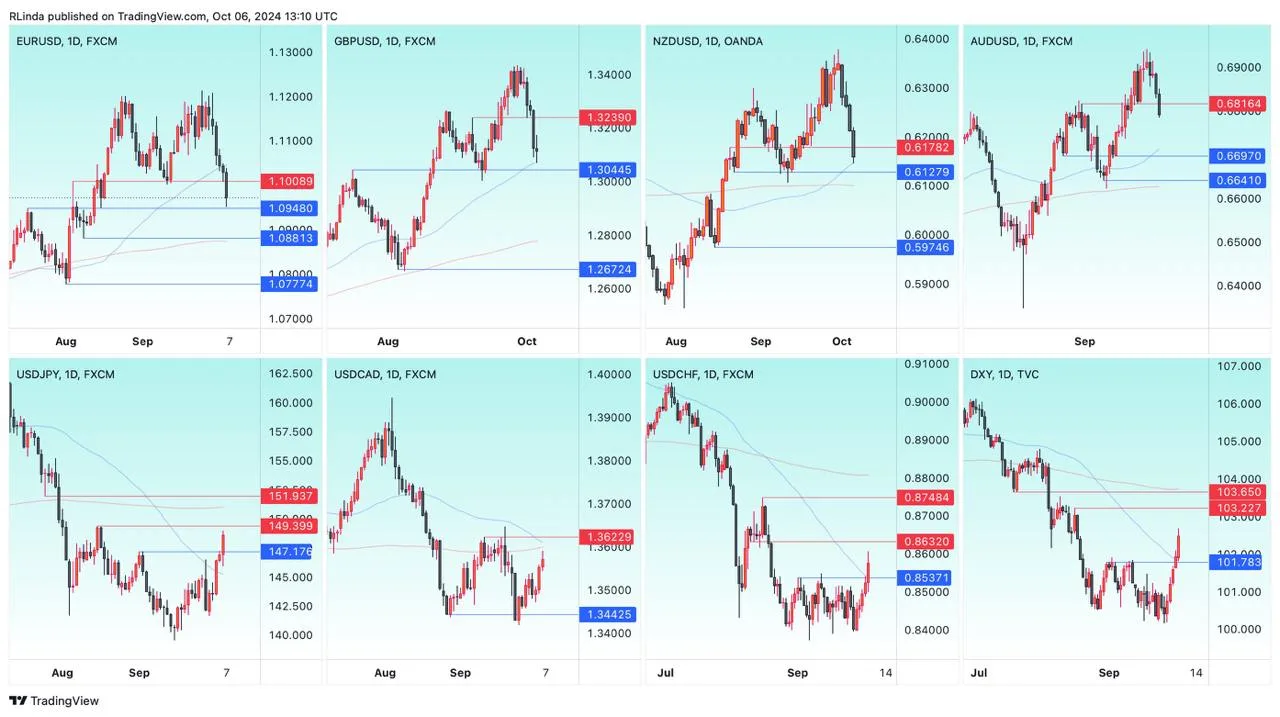
- Global dollar strength: The Dollar Index (DXY), which tracks the greenback against a basket of six major currencies (EUR, JPY, GBP, CAD, SEK, CHF), has stayed firm
- Geopolitical risk premium: Ongoing West Asia tensions are pushing capital toward traditional safe havens
🏦 How the RBI Is Responding
The Reserve Bank of India continues to actively manage rupee volatility through its forex reserves, which stand above $600 billion. Rather than targeting a specific exchange rate level, the RBI’s approach has consistently been to smooth out sharp, disorderly moves by buying and selling dollars as needed, while allowing the broader trend to reflect underlying market forces.
🎯 Who Wins and Who Loses
| Group | Impact |
|---|---|
| IT & export companies | Benefit — USD revenues convert to more rupees |
| Oil & import-heavy businesses | Hurt — costlier imports, higher input costs |
| NRIs remitting money home | Benefit — a 1% rupee depreciation on a $10,000 remittance adds ₹800+ |
| Domestic consumers | Hurt — imported inflation, especially fuel prices |
🔮 Forecast Outlook
Longer-term projections from currency forecasting services point to continued gradual rupee depreciation, with some models projecting USD/INR could test levels as high as 99 over the next year, and even higher over a five-year horizon, though such projections carry significant uncertainty and should be treated as directional rather than precise.
💡 For Businesses Managing Currency Risk
Companies with dollar exposure typically hedge through forward contracts via banks, options on NSE currency derivatives, or natural hedging by matching revenue and expense currencies. For NRIs, timing remittances around RBI policy announcements and major data releases can help optimize conversion value.
Disclaimer: This article is for informational purposes only and does not constitute forex trading or investment advice. Currency markets are highly volatile and forecasts are not guarantees of future performance. Consult a SEBI-registered financial advisor or authorized forex dealer before making currency-related decisions.
]]>