🪔 Market Holiday — Ganesh Chaturthi 2026
NSE and BSE are closed today, Monday September 14, 2026 for Ganesh Chaturthi. Trading resumes Tuesday, September 15.
Indian Stock Market Closed Today — Ganesh Chaturthi | Setup for September 15 | NSE BSE Holiday 14 Sept 2026
📋 Last Close Snapshot — Friday, September 11, 2026
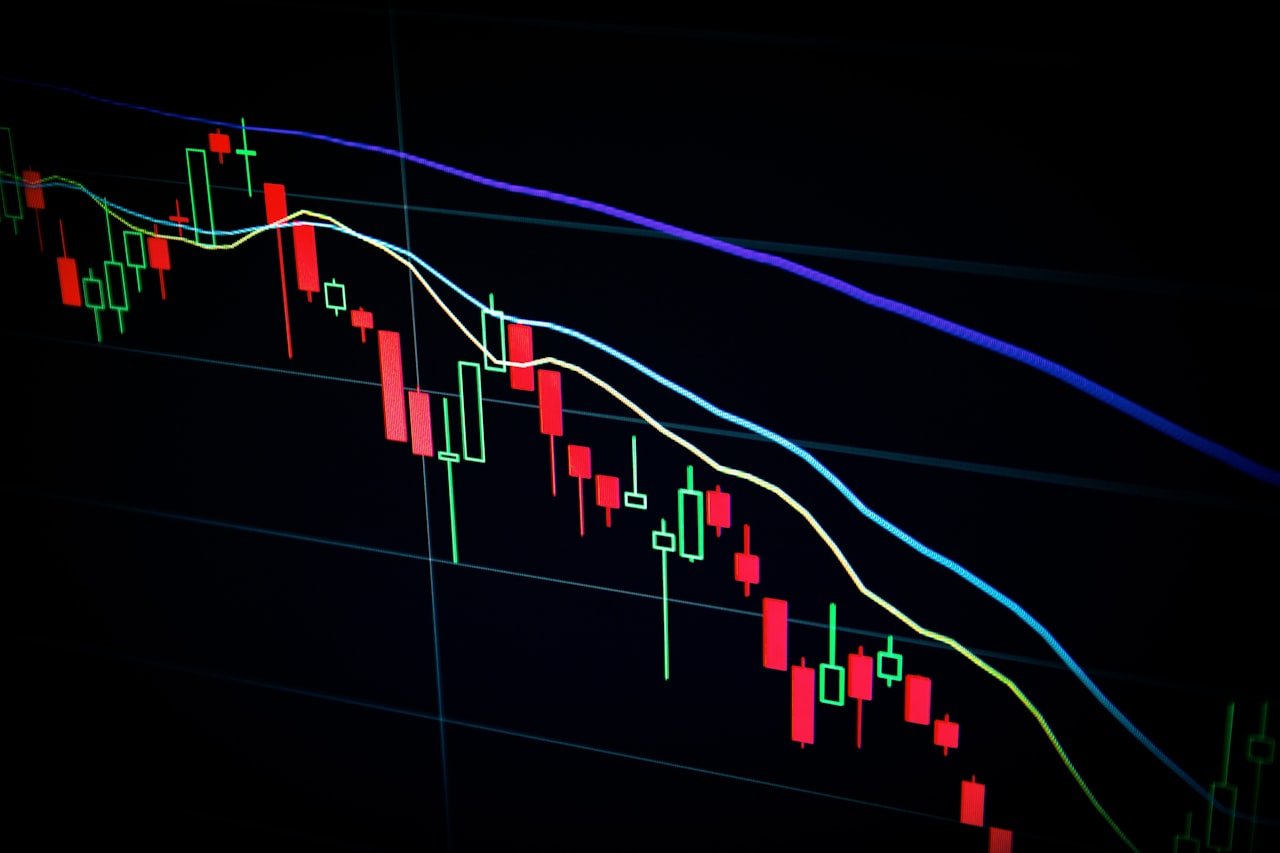
Before the holiday break, here’s where Indian markets stood at Friday’s close — the fifth consecutive week of losses for benchmark indices.
| Index | Close | Weekly Change | Status |
|---|---|---|---|
| BSE Sensex | 74,781.76 | ▼ 5th losing week | Bearish |
| NSE Nifty 50 | 23,398.10 | ▼ 5th losing week | Bearish |
| Bank Nifty | ~49,500 | ▼ Under pressure | Cautious |
| India VIX | Elevated | ↑ Rising | High Fear |
🏦 Institutional Flow — September 11, 2026
| Category | Net Flow (₹ Cr) | Stance |
|---|---|---|
| FII / FPI | −₹930.9 Cr | Net Sellers |
| DII | +₹1,968.17 Cr | Net Buyers |
DIIs continue to provide a strong domestic cushion, absorbing FII selling. Domestic mutual funds and insurance companies have been consistent buyers, helping prevent a sharper correction.
🔍 Market Context — Why 5 Weeks of Losses?
The sustained selling pressure reflects a confluence of global and domestic factors:
- Global Rate Uncertainty: Markets have been pricing in the FOMC’s September meeting outcome, keeping risk assets under pressure globally.
- Rising Crude Oil: Brent crude has climbed in recent weeks, raising import cost concerns for India — which imports over 85% of its oil needs. Higher crude widens the current account deficit and pressures the rupee.
- Dollar Strength: A strong DXY has made emerging markets less attractive, driving FII outflows from India.
- Valuation Concerns: Indian mid-cap and small-cap valuations remain stretched relative to historical averages, prompting caution.
- Seasonal Factors: September is historically weak for equities globally.
📅 Setup for Tuesday, September 15 — Key Catalysts
When trading resumes Tuesday, watch these macro drivers closely:
| Catalyst | Date / Time | Expected Impact |
|---|---|---|
| 🇺🇸 FOMC Meeting (2-day) | Sep 16–17 | HIGH — Rate decision Wednesday; any hawkish surprise could trigger FII selloff |
| 🛢️ Crude Oil Prices | Ongoing | HIGH — Rising crude pressures OMCs, airlines, paints, and the INR |
| 💱 USD/INR Levels | Opening bell | MODERATE — Watch rupee stability; RBI may intervene if INR weakens sharply |
| 📊 India WPI / CPI Data | Sep 15 (if released) | MODERATE — Inflation data will shape RBI rate cut expectations |
| 🌏 Asia Market Open | Pre-market | MODERATE — Nikkei, Hang Seng cues will set the tone for Tuesday open |
🎯 Key Level to Watch — Nifty 50
Support: 23,200 – 23,000 (critical zone; breakdown here could accelerate selling)
Resistance: 23,600 – 23,800 (needed for short-term recovery signal)
Bias: Cautious until FOMC outcome becomes clear Wednesday evening IST.
Support: 23,200 – 23,000 (critical zone; breakdown here could accelerate selling)
Resistance: 23,600 – 23,800 (needed for short-term recovery signal)
Bias: Cautious until FOMC outcome becomes clear Wednesday evening IST.
🛢️ Crude Oil — India’s Macro Wildcard
Crude oil is a critical variable for Indian equities because of India’s massive import dependence. Here’s the macro chain reaction when crude rises:
- Higher petrol/diesel prices → fuel subsidy burden on government
- Wider current account deficit (CAD) → rupee depreciation pressure
- Higher input costs → margin pressure on industries (paints, tyres, aviation, logistics)
- Inflationary pressure → reduces RBI room to cut rates
Watch Brent crude’s direction carefully as markets open Tuesday. A sustained move above $85/barrel would be negative for Indian equities broadly.
📚 Monday Glossary — 7 Terms Every Investor Should Know
India VIX
India Volatility Index — measures the market’s expectation of volatility over the next 30 days. Higher VIX = more fear and uncertainty. VIX above 15 is considered elevated; above 20 signals high stress. Called the “fear gauge.”
India Volatility Index — measures the market’s expectation of volatility over the next 30 days. Higher VIX = more fear and uncertainty. VIX above 15 is considered elevated; above 20 signals high stress. Called the “fear gauge.”
FII / FPI
Foreign Institutional Investor / Foreign Portfolio Investor — overseas entities (hedge funds, mutual funds, pension funds) that invest in Indian stocks and bonds. Their flows heavily influence market direction. Net sellers = bearish signal; net buyers = bullish.
Foreign Institutional Investor / Foreign Portfolio Investor — overseas entities (hedge funds, mutual funds, pension funds) that invest in Indian stocks and bonds. Their flows heavily influence market direction. Net sellers = bearish signal; net buyers = bullish.
DII
Domestic Institutional Investor — Indian institutions like mutual funds, insurance companies (LIC), and banks that invest in markets. DIIs act as a counter-balance to FII selling and help stabilize the market during outflows.
Domestic Institutional Investor — Indian institutions like mutual funds, insurance companies (LIC), and banks that invest in markets. DIIs act as a counter-balance to FII selling and help stabilize the market during outflows.
FOMC
Federal Open Market Committee — the US Federal Reserve body that sets the federal funds rate (US interest rates). Its decisions ripple globally: rate hikes strengthen the dollar, trigger FII outflows from emerging markets like India, and pressure equities.
Federal Open Market Committee — the US Federal Reserve body that sets the federal funds rate (US interest rates). Its decisions ripple globally: rate hikes strengthen the dollar, trigger FII outflows from emerging markets like India, and pressure equities.
ATM Option
At-the-Money Option — an option whose strike price is very close to the current market price of the underlying asset. ATM options have the highest time value and are the most actively traded. Crucial for options traders monitoring open interest.
At-the-Money Option — an option whose strike price is very close to the current market price of the underlying asset. ATM options have the highest time value and are the most actively traded. Crucial for options traders monitoring open interest.
PCR
Put-Call Ratio — ratio of total put options traded to call options traded. PCR above 1 signals more puts (bearish bets) than calls — potential market bottoming signal if extreme. PCR below 0.7 signals bullishness. Traders use PCR to gauge sentiment.
Put-Call Ratio — ratio of total put options traded to call options traded. PCR above 1 signals more puts (bearish bets) than calls — potential market bottoming signal if extreme. PCR below 0.7 signals bullishness. Traders use PCR to gauge sentiment.
SIP
Systematic Investment Plan — a method of investing a fixed amount regularly (monthly/weekly) in mutual funds, regardless of market levels. Rupee cost averaging ensures you buy more units when markets fall. SIP is the preferred long-term wealth-building route for retail investors.
Systematic Investment Plan — a method of investing a fixed amount regularly (monthly/weekly) in mutual funds, regardless of market levels. Rupee cost averaging ensures you buy more units when markets fall. SIP is the preferred long-term wealth-building route for retail investors.
📌 Sectors to Watch Tuesday
| Sector | Trigger | Bias |
|---|---|---|
| Oil & Gas / OMCs | Crude oil price direction | ⚠️ Watch |
| IT / Tech | US Fed tone on economy; dollar strength | 🟢 Moderate |
| Financials / Banks | Credit quality; FII flows in BFSI | 🟡 Cautious |
| Aviation / Logistics | Jet fuel costs rising with crude | 🔴 Negative |
| FMCG / Consumer | Defensive play; less macro sensitivity | 🟢 Stable |
📰 Sources
- NSE India — Official Market Holiday Calendar 2026
- BSE India — Trading Holiday Notice: Ganesh Chaturthi
- SEBI CDSL / NSDL — FII/DII Provisional Flow Data (September 11, 2026)
- NSE India — Bhavcopy Data, September 11, 2026
- US Federal Reserve — FOMC Meeting Schedule 2026
- EarnFree.in Market Research Desk
⚠️ Disclaimer
This article is for educational and informational purposes only. It does not constitute investment advice, a buy/sell recommendation, or financial guidance. Indian equity markets are subject to market risks. Past performance is not indicative of future results. Please consult a SEBI-registered investment advisor before making any trading or investment decisions. Data sourced from public exchanges and provisional reports; verify before acting.
]]>This article is for educational and informational purposes only. It does not constitute investment advice, a buy/sell recommendation, or financial guidance. Indian equity markets are subject to market risks. Past performance is not indicative of future results. Please consult a SEBI-registered investment advisor before making any trading or investment decisions. Data sourced from public exchanges and provisional reports; verify before acting.
Please follow and like us: